Common Questions
What maintenance does a winery Chiller need?+
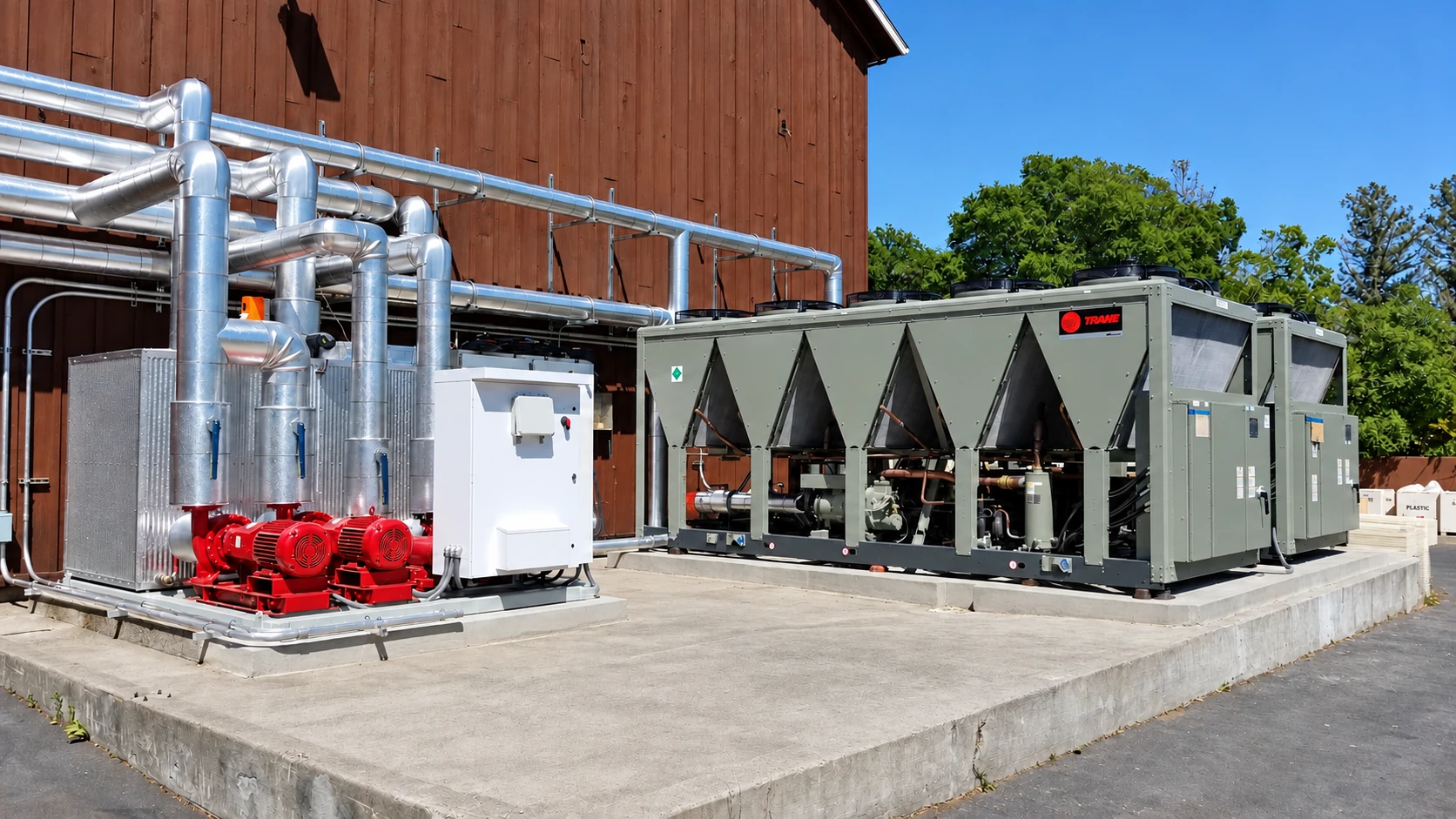
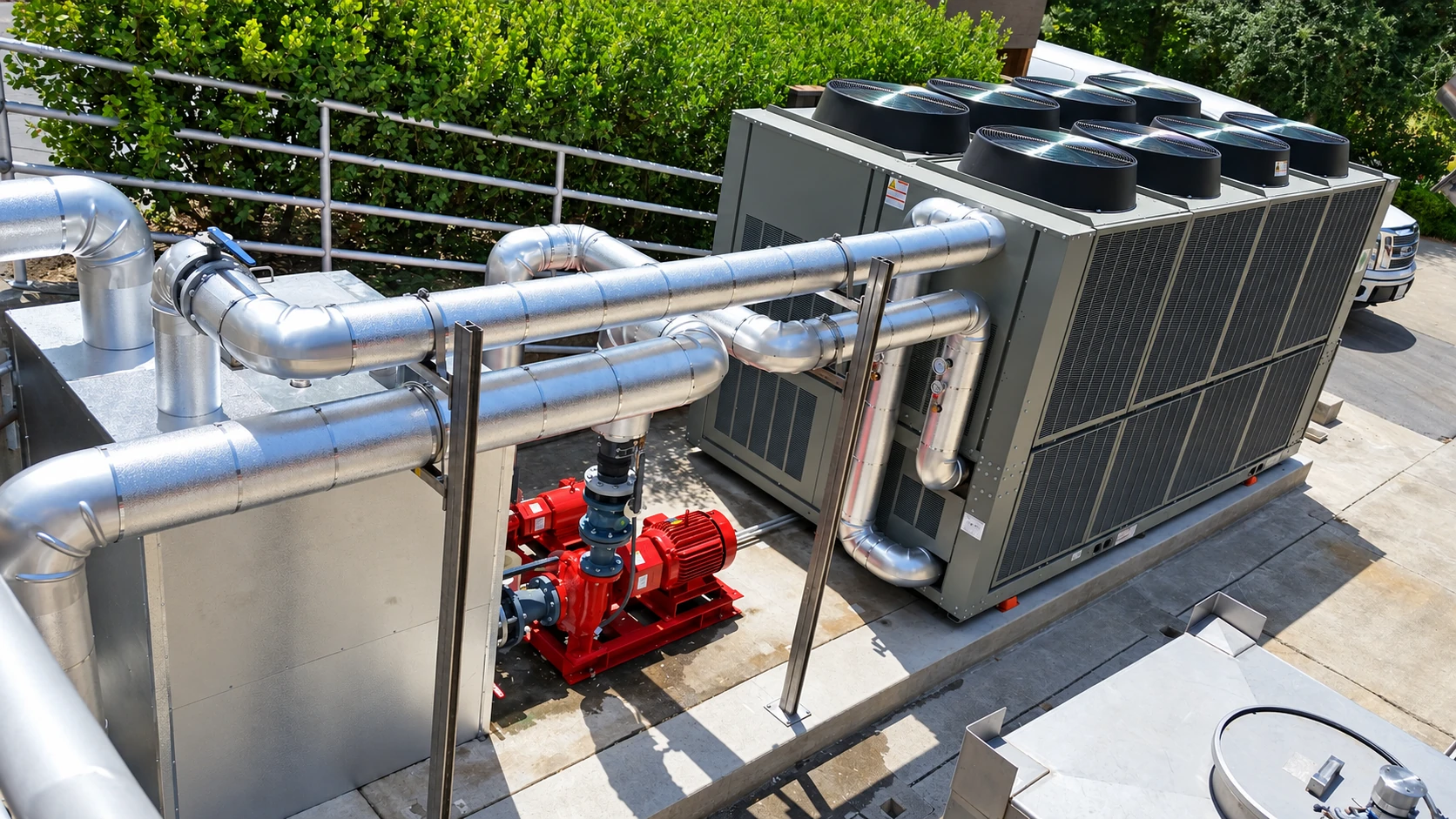
A maintenance visit checks the Condenser Coils and Fans, refrigerant pressures, superheat and subcooling for leaks or a low charge, and the Compressors, Contactors and electrical connections. On the glycol side, we test concentration, check level, Pump operation and Strainers, and purge air. We also test the safety switches, flow switch, sensors and alarms, and do California RMP refrigerant leak inspections on systems that require them.
How often should a winery Chiller be serviced?+
It depends on the equipment and how hard it runs. Most winery Chillers need 2 to 4 visits a year, year-round, and we set the schedule in your Maintenance & Service Agreement.
Why is our Glycol Chiller not cooling?+
Start with the alarm on the Chiller display. Common causes are low glycol flow (a failed Pump, clogged Strainer, air in the loop or a closed Valve), high-pressure trips from a dirty Condenser or failed Condenser Fan, low-pressure trips from a refrigerant leak, or a failed Compressor, Contactor or Relay. During harvest, the load can also simply exceed what the Chiller can deliver. We find the cause before replacing parts.
What temperature should our Glycol Chiller be set to?+
Set it for the coldest temperature your Tanks need, not lower, and keep the glycol mix protected well below it. A setpoint close to the mix’s freeze point, or low glycol flow, can freeze and crack the Heat Exchanger. A colder setpoint does not add cooling capacity. More on Chillers & Process Cooling.
How often should CO2 Monitors be calibrated?+
We recommend calibrating CO2 Monitors twice a year, including once before harvest, or more often if the manufacturer calls for it. Between calibrations, a bump test exposes each sensor to CO2 to confirm it reads and triggers its alarms and ventilation. We provide calibration records for your files.
Can we rent a Chiller while ours is down?+
Yes. We rent Air-Cooled Glycol Chillers and Portable Glycol Chiller / Heaters for planned work and breakdowns, and we deliver and hook them up. Units are in highest demand during harvest, so request a rental as early as you can and we’ll confirm size, power and connections for your site.